
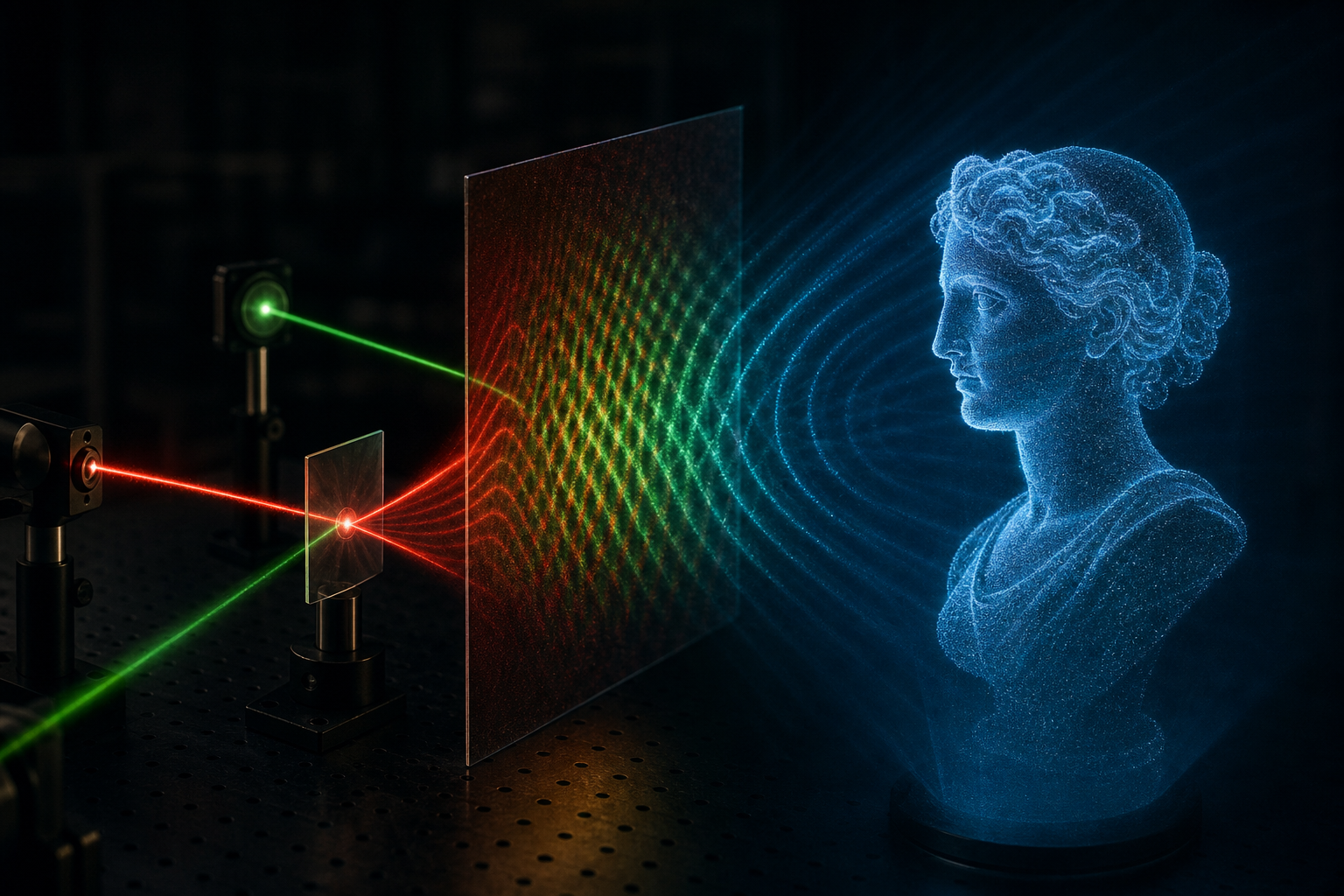
Holography: Why a Hologram Is Not an Ordinary 3D Image
Classical stereoscopy provides the observer with prepared views, while holography records the information needed to reconstruct a light wave. We explain the roles of phase, interference, dif...
Portal publications about the history of stereoscopy, 3D techniques, photography, film, optics, lenticular and modern spatial technologies.
Classical stereoscopy provides the observer with prepared views, while holography records the information needed to reconstruct a light wave. We explain the roles of phase, interference, dif...
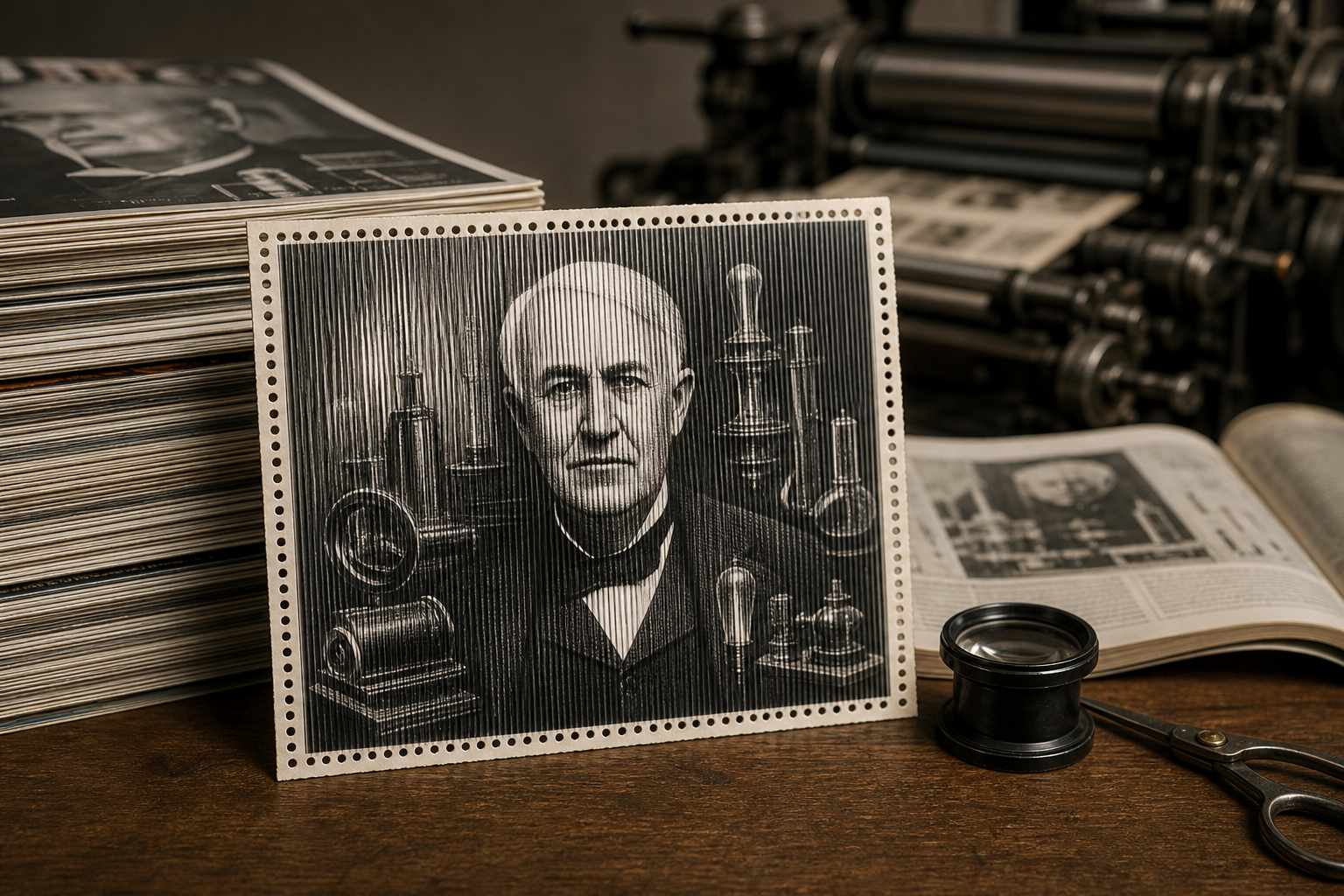
The Xograph inserts published by “Look” magazine in 1964 showed that lenticular images could be incorporated into the production cycle of the mass-circulation press. The success of the ventu...
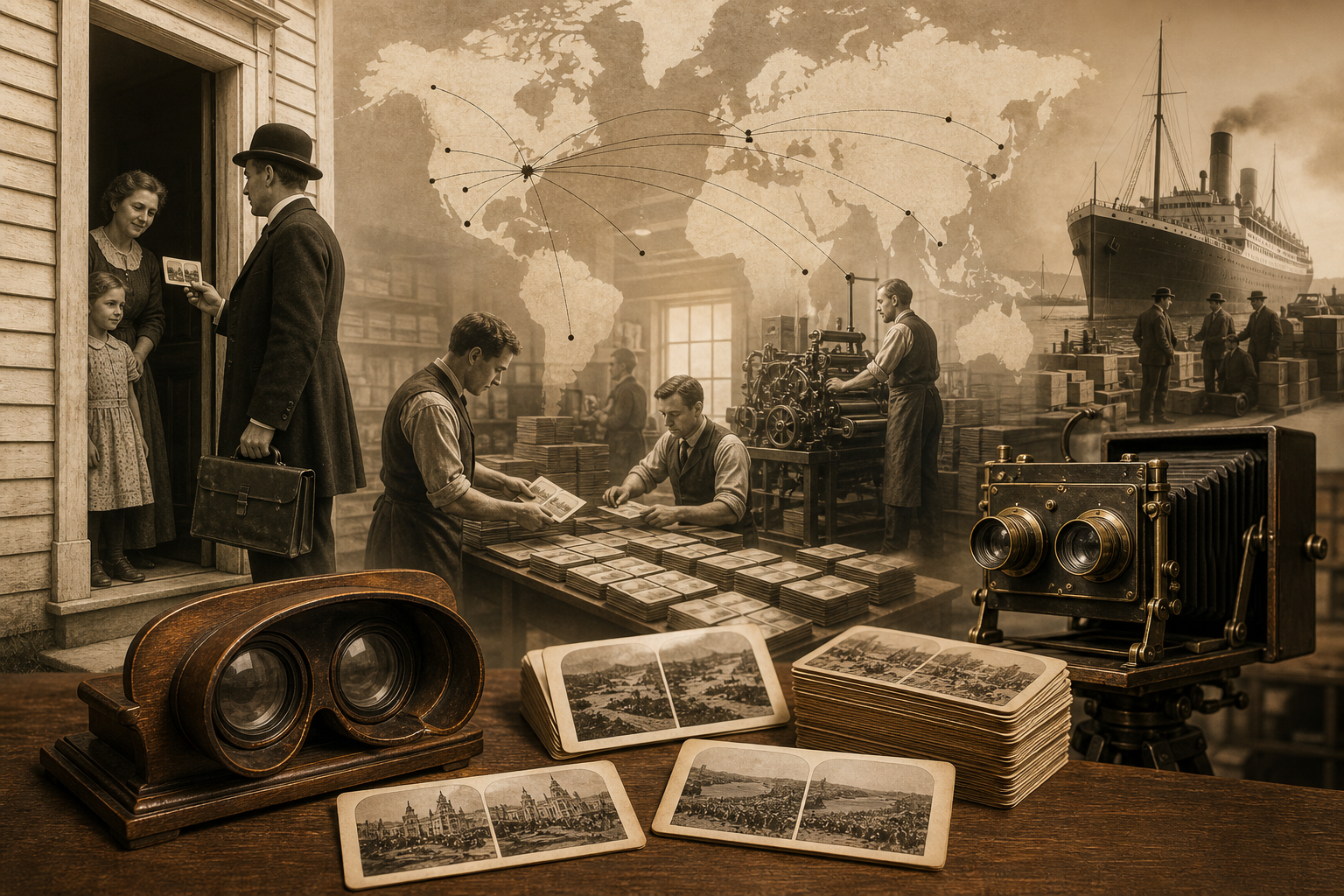
The history of the company founded by Elmer and Bert Underwood shows how door-to-door sales were combined with in-house photographic facilities, printing, and international distribution of s...
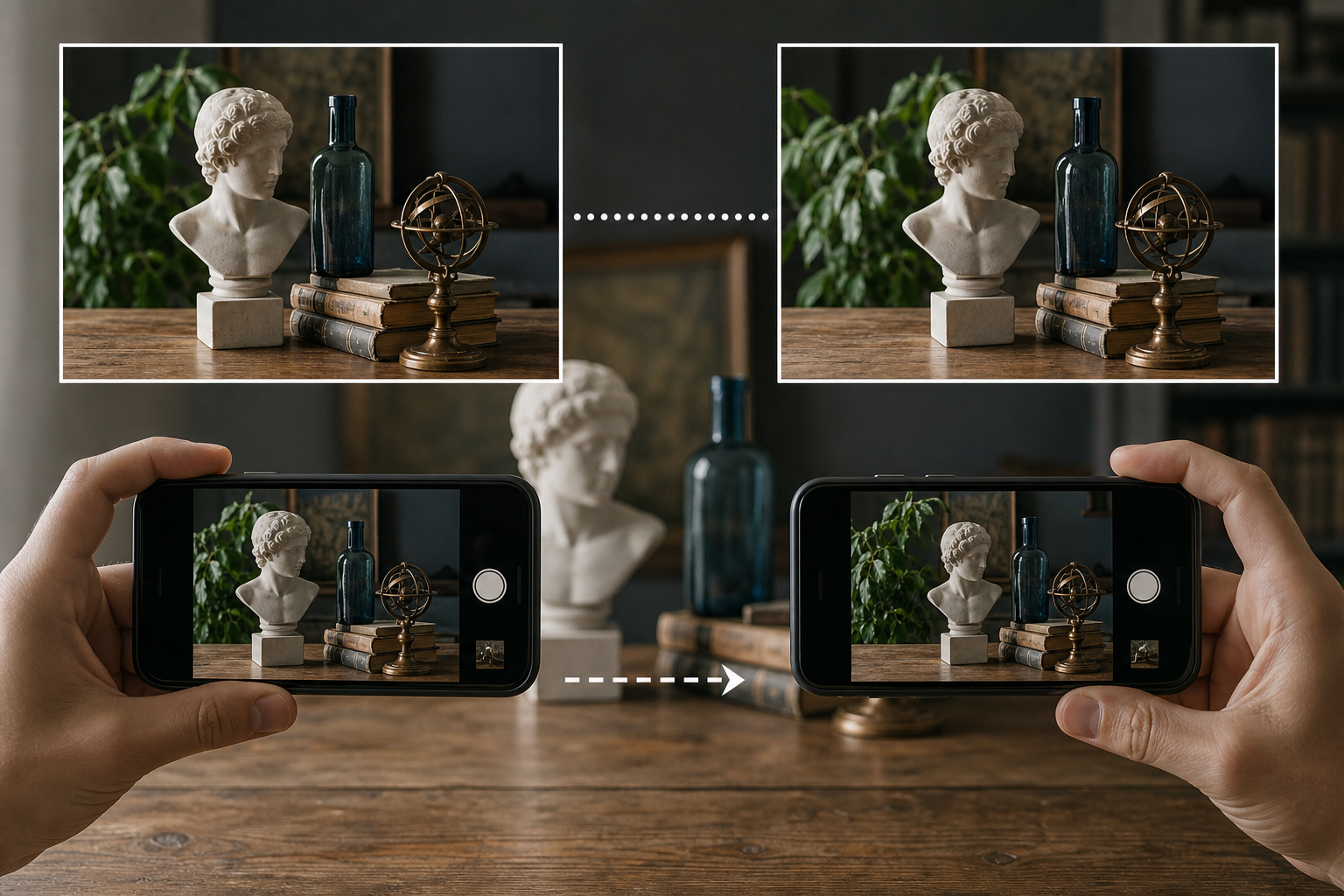
You do not need a camera with two lenses to create a true stereo pair. All you need is a smartphone, a static scene, and two photos taken after shifting the phone slightly sideways.
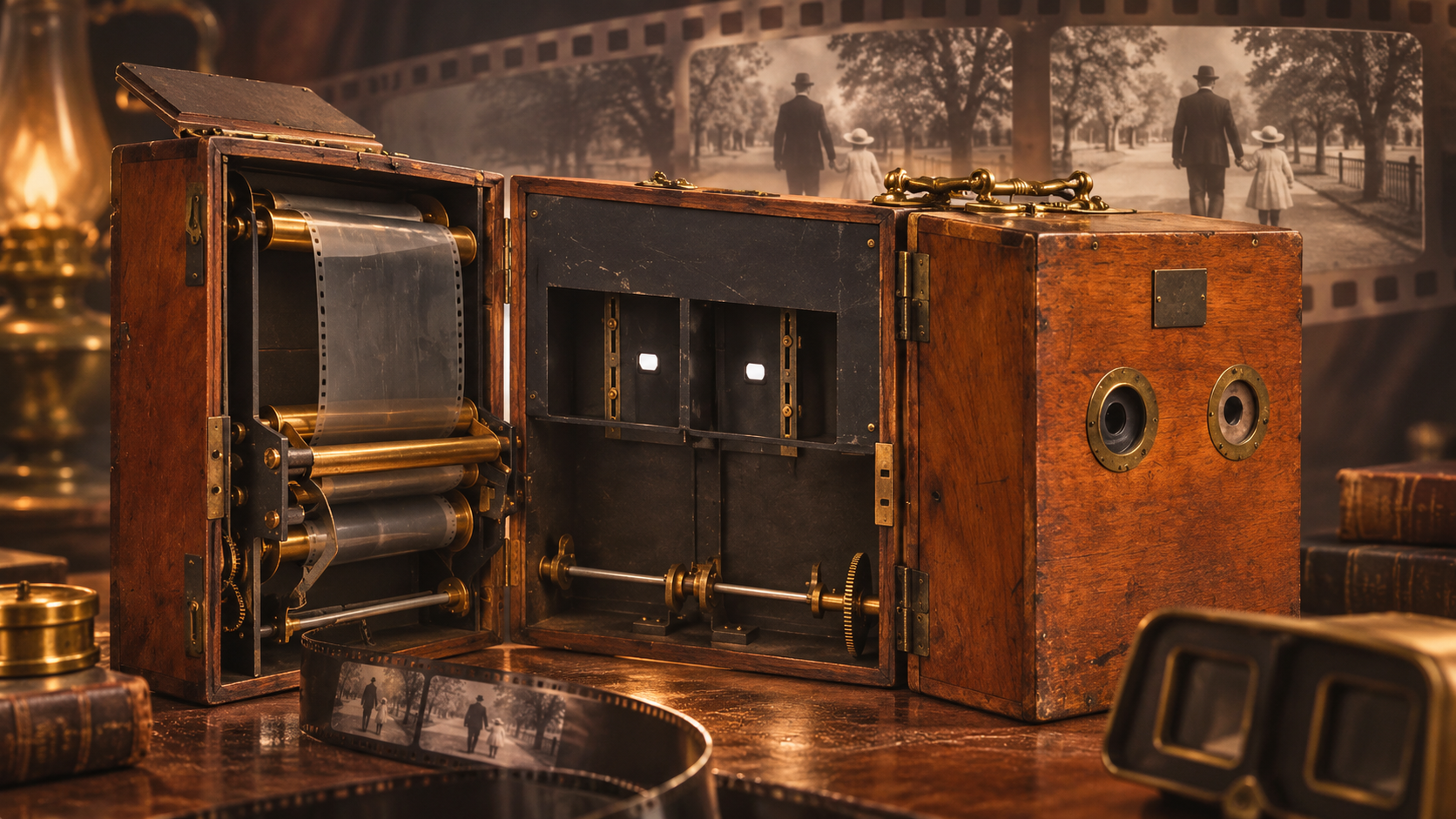
A camera from around 1890 recorded two parallel image tracks. However, the surviving film confirms neither smooth motion nor successful stereoscopic projection.
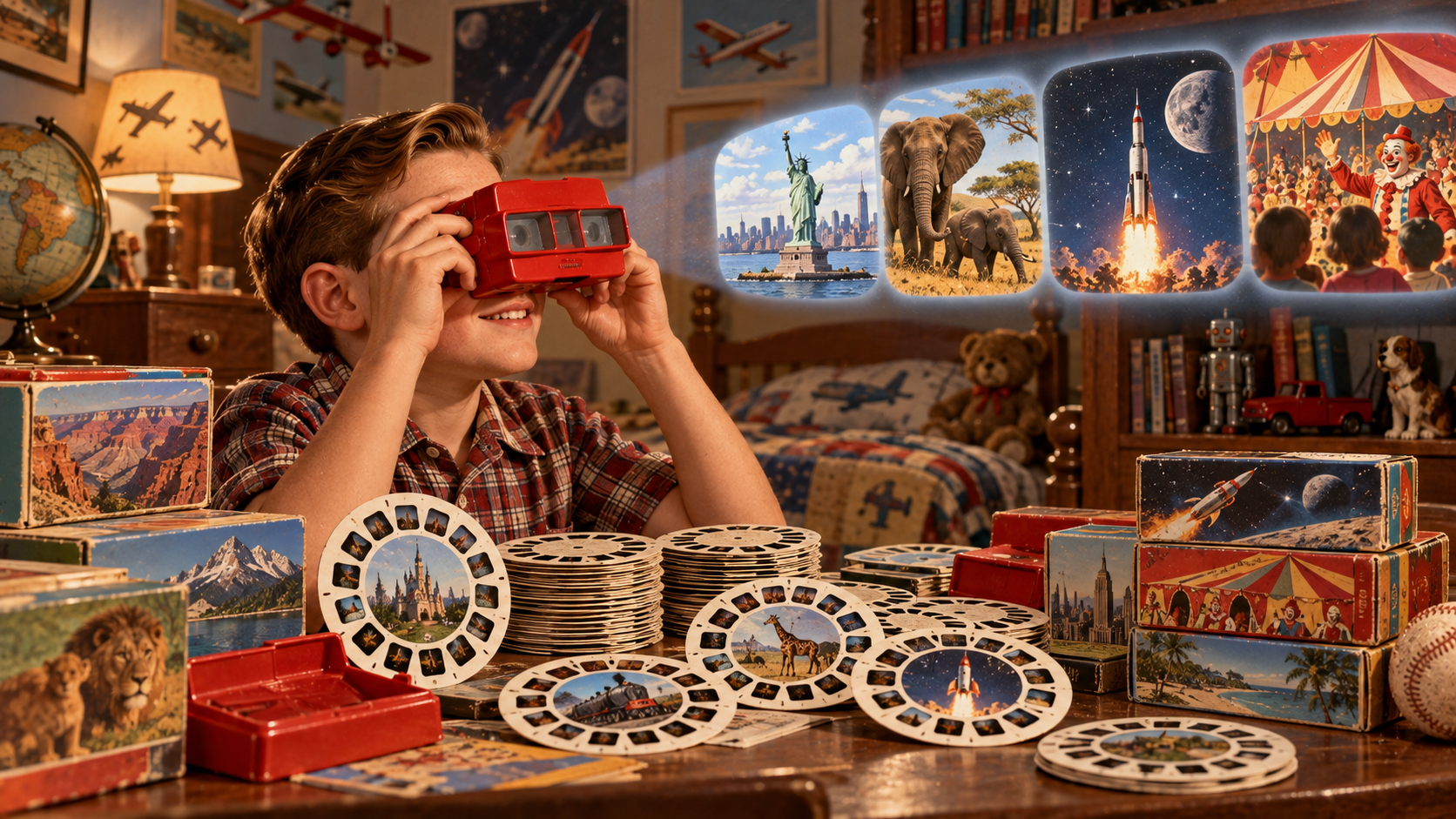
View-Master began as a stereoscopic window onto landscapes and tourist attractions. However, the acquisition of Tru-Vue in 1951 and access to the Disney license changed the reel repertoire,...
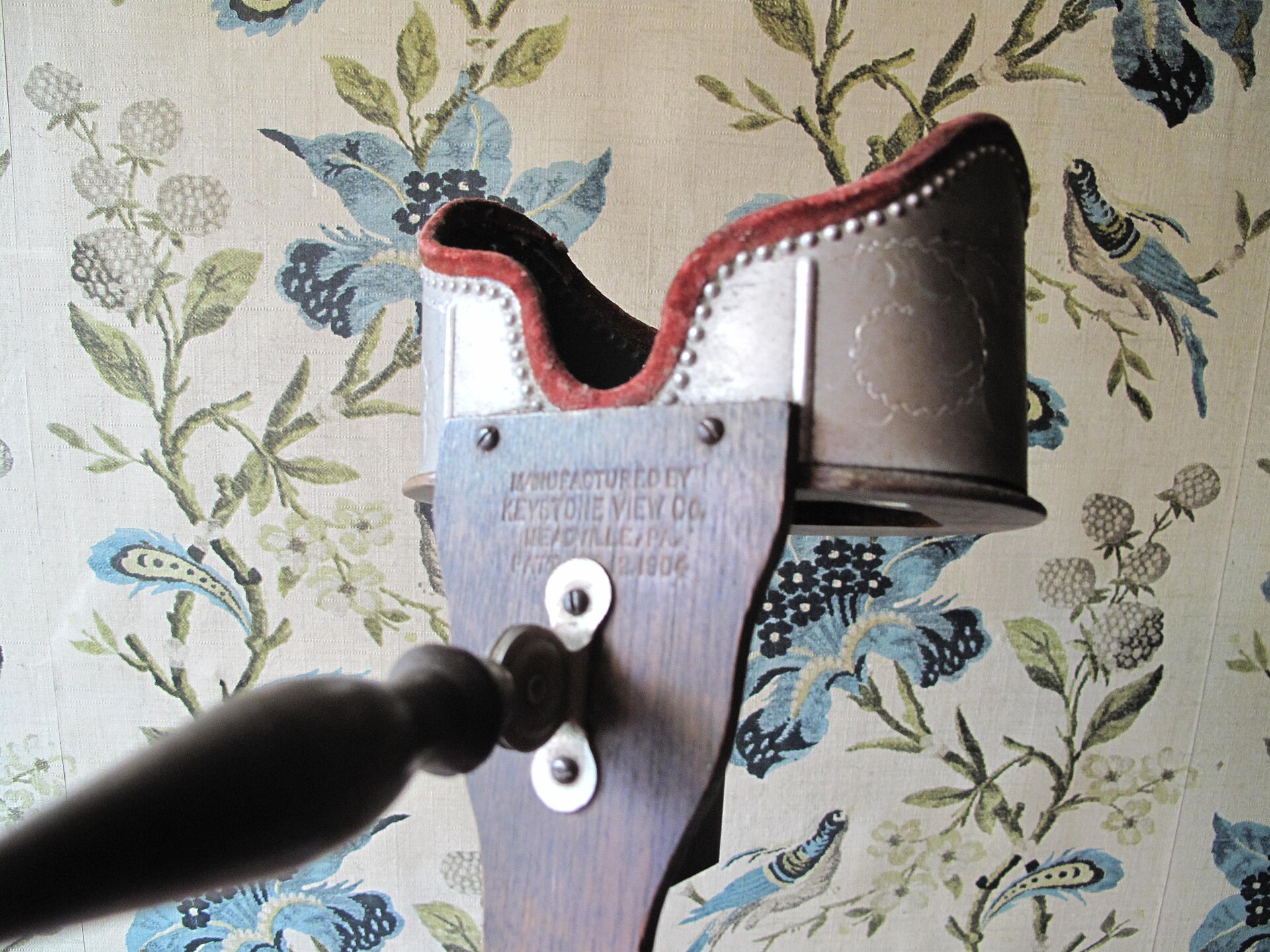
Today, stereoscopic photography may seem like a specialist field for collectors and 3D enthusiasts. A century or more ago, the situation was entirely different. The stereoscope was the equiv...

3D televisions did not achieve the success once predicted for them. This may give the impression that stereoscopy has become a thing of the past. Nothing could be further from the truth! 3D...
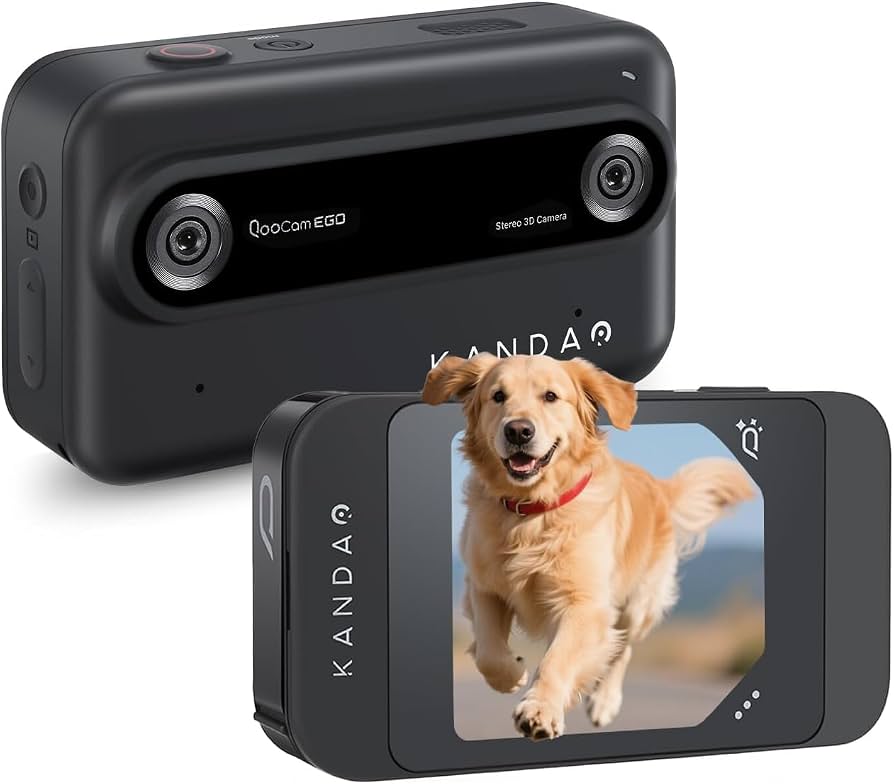
The Acer SpatialLabs Eyes and Kandao QooCam EGO represent a contemporary approach to compact stereoscopic photography. We compare them in terms of consistency between the two optical paths,...
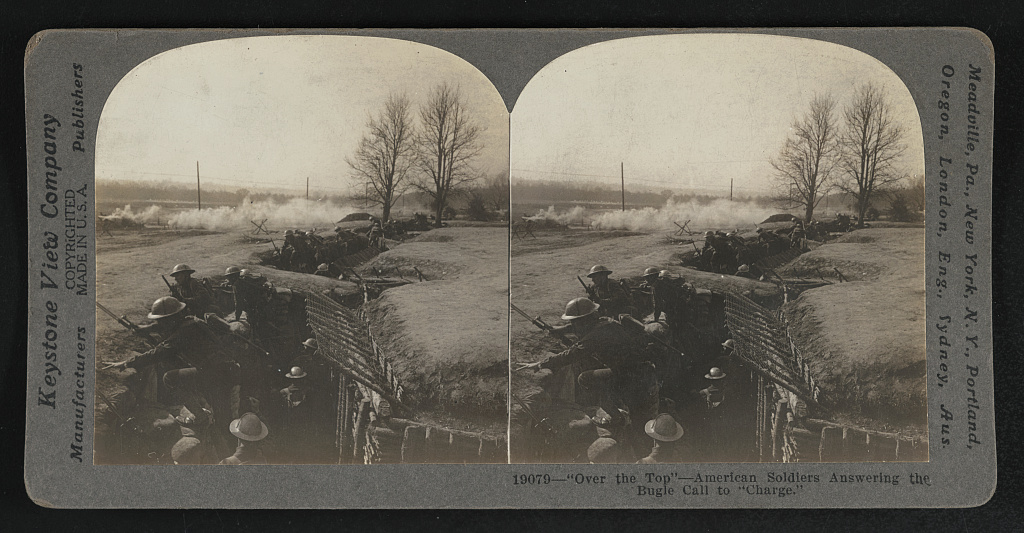
The United States Library of Congress holds one of the largest collections of stereograms produced in the 19th and early 20th centuries. You can view many of these materials in our archive.
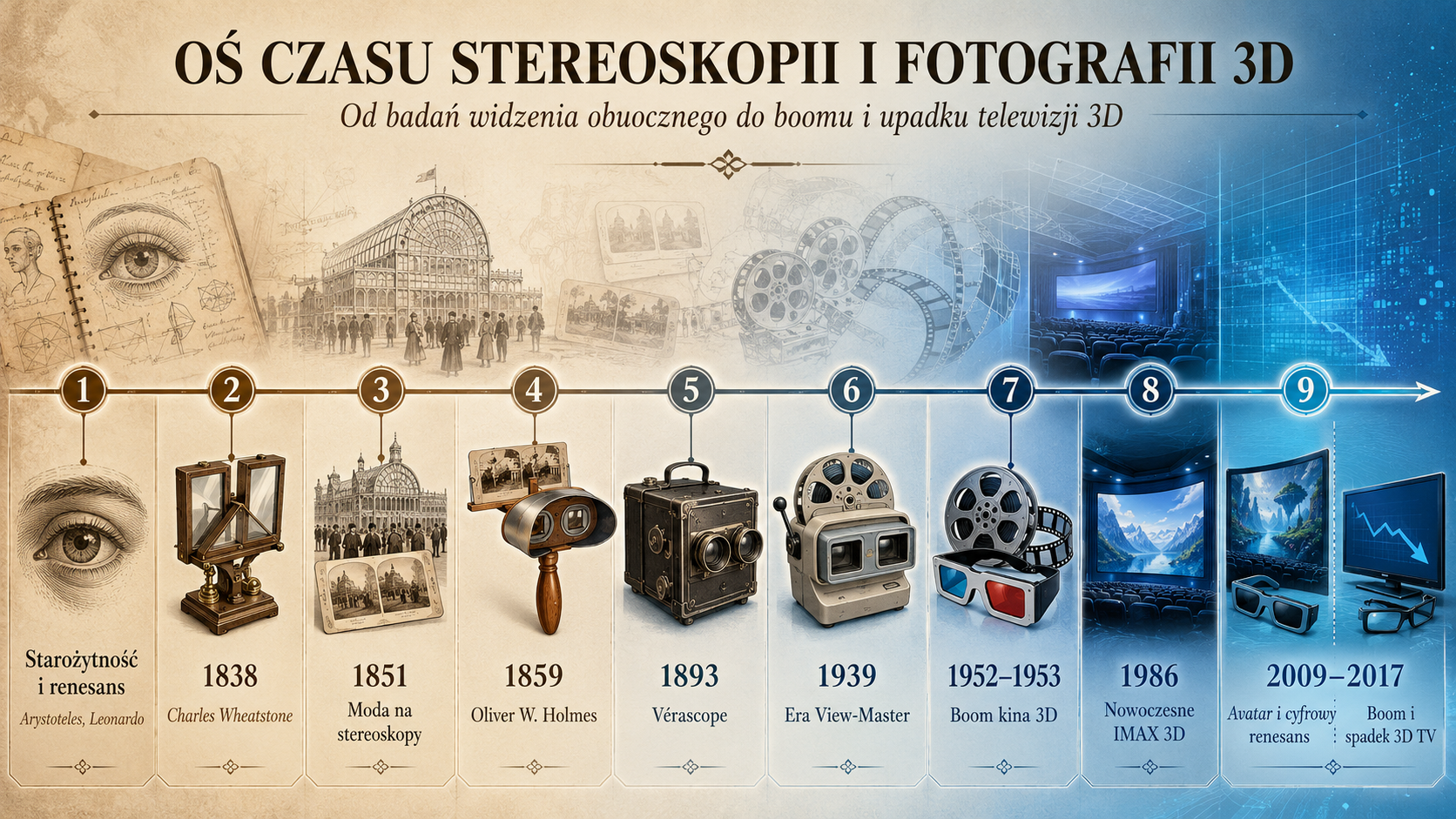
An overview of the most important events related to capturing and presenting images in three dimensions using a variety of techniques.
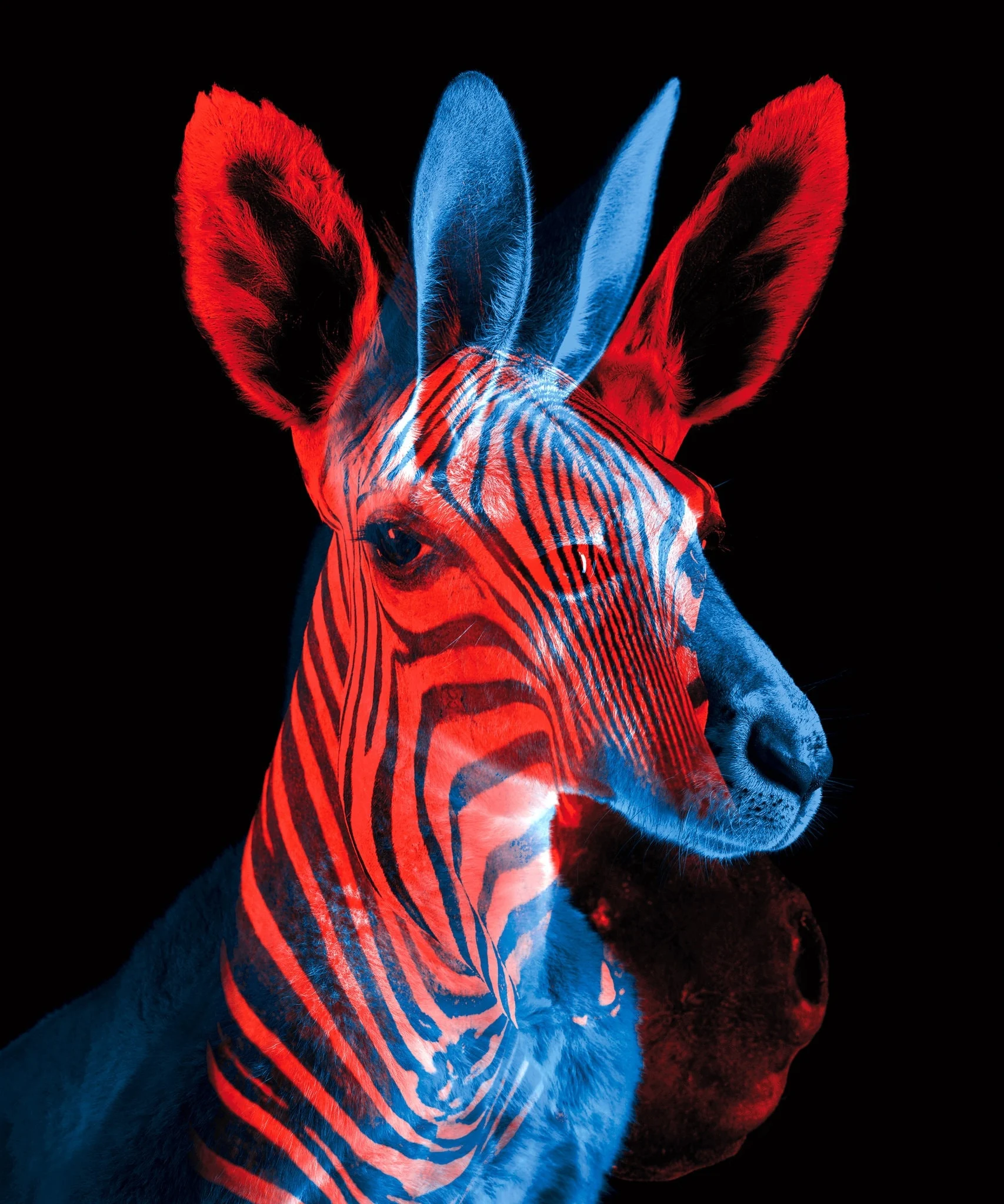
Julian Hoeber’s exhibition “Binocular Rivalry” combines paintings, sculpture, and video viewed through 3D glasses. It offers an opportunity to distinguish stereoscopic fusion from a situatio...