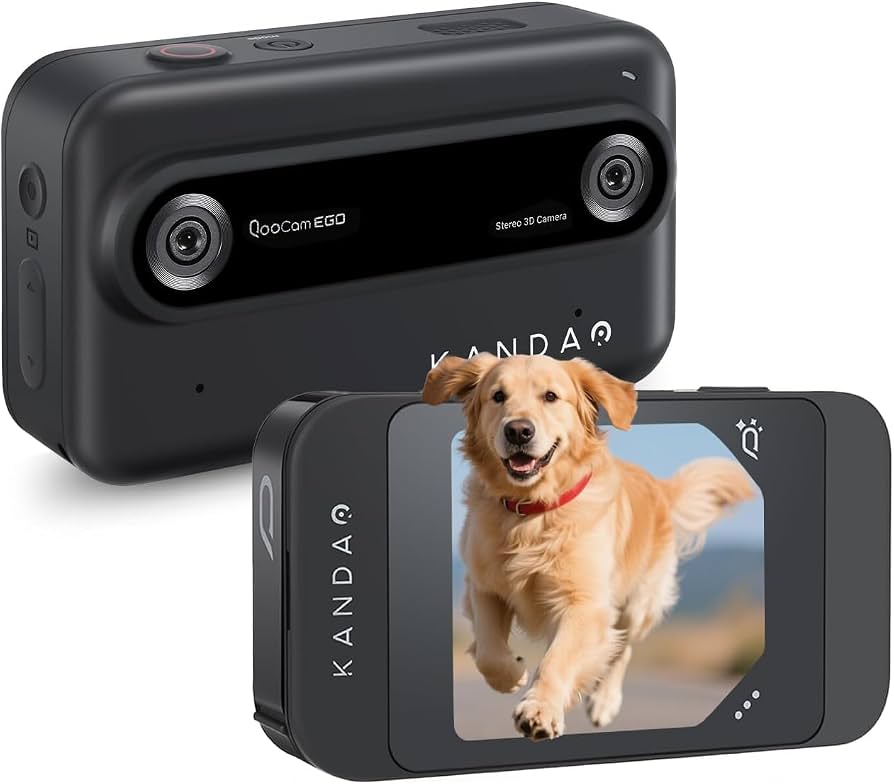
In a stereoscopic camera, the mere presence of two lenses does not determine how convenient it is to use. In practice, consistency between the two imaging paths, focusing speed, the device’s readiness to take a picture, battery life, and how the material is subsequently viewed are also important. From this perspective, it is worth comparing two compact digital cameras: the Acer SpatialLabs Eyes and the Kandao QooCam EGO.
The available comparative material does not allow for the preparation of a complete specification table or a definitive verdict on which camera is better for every application. It does, however, allow several issues that are particularly important when taking stereo photographs to be assessed. Importantly, conclusions from practical testing should be distinguished from official manufacturer claims and from observations concerning a single unit.
Two Sources of Information, Two Levels of Certainty
For the Acer SpatialLabs Eyes, we have both information from the manufacturer and the results of a comparison published in June 2026 by a specialist website devoted to stereoscopy. Acer states that the camera captures images at a resolution of 8 MP per eye. The manufacturer also lists a selfie mirror and a weather-resistant design.
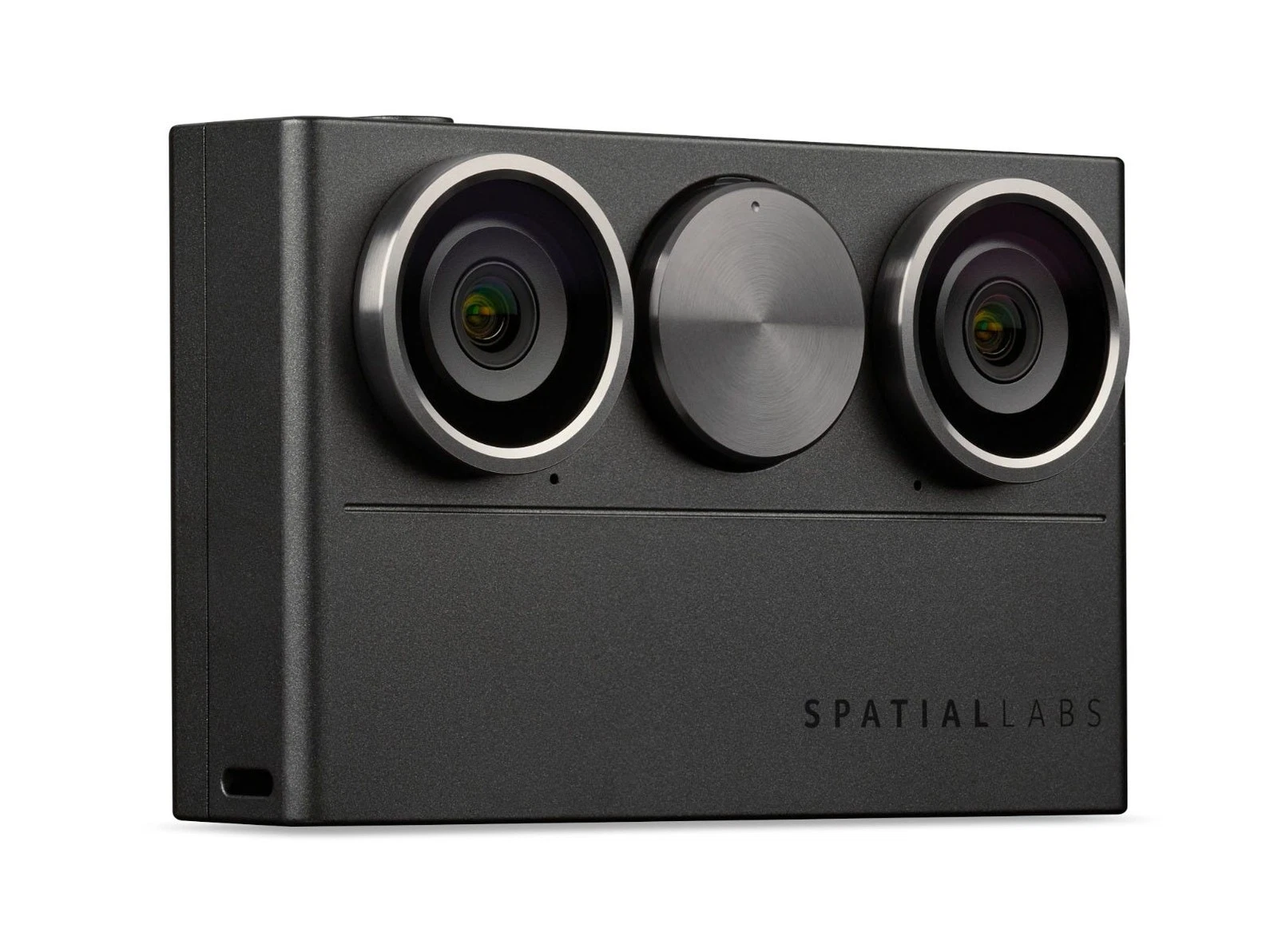
The second group of information consists of the experiences of the comparison’s author, who used both cameras. These are valuable because they concern the devices’ behavior while taking pictures, but they should not be treated as the results of laboratory testing involving multiple units. In particular, the observations concerning the QooCam EGO relate to the specific unit owned by the reviewer.
This distinction matters. Information about resolution or the claimed weather resistance of the design comes directly from the manufacturer. Slow startup, poor battery life, or differences in sharpness between the lenses, on the other hand, are experiences from using a specific device. They may indicate a significant practical risk, but they do not prove that every unit will behave identically.
Acer SpatialLabs Eyes: The Camera as Part of a System
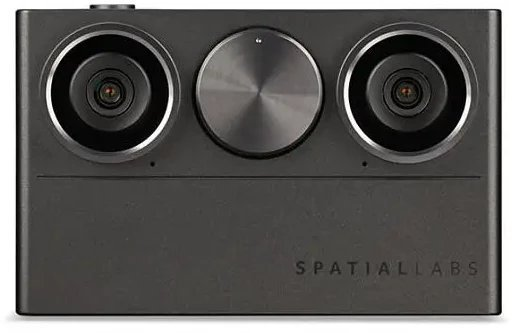
SpatialLabs Eyes is not presented solely as a standalone recorder of two images. Acer integrates it with SpatialLabs devices and SpatialLabs Player 3.0 software. According to the manufacturer, this combination can support real-time 3D preview, streaming, and recording.
Verified fact: the stated workflow includes the camera, playback software, and compatible SpatialLabs display devices. As a result, the manufacturer describes not only taking a picture, but also previewing it and using it in a 3D environment.
Interpretation: the value of this approach may lie in reducing the number of steps needed to check the stereoscopic effect. In dual-lens photography, a standard camera screen may not immediately show how the pair will be perceived in 3D. Integration with a 3D display may therefore be more important than any single camera specification. However, this benefit depends on the use of compatible ecosystem components; the supplied materials do not allow its performance with all other stereo presentation methods to be assessed.
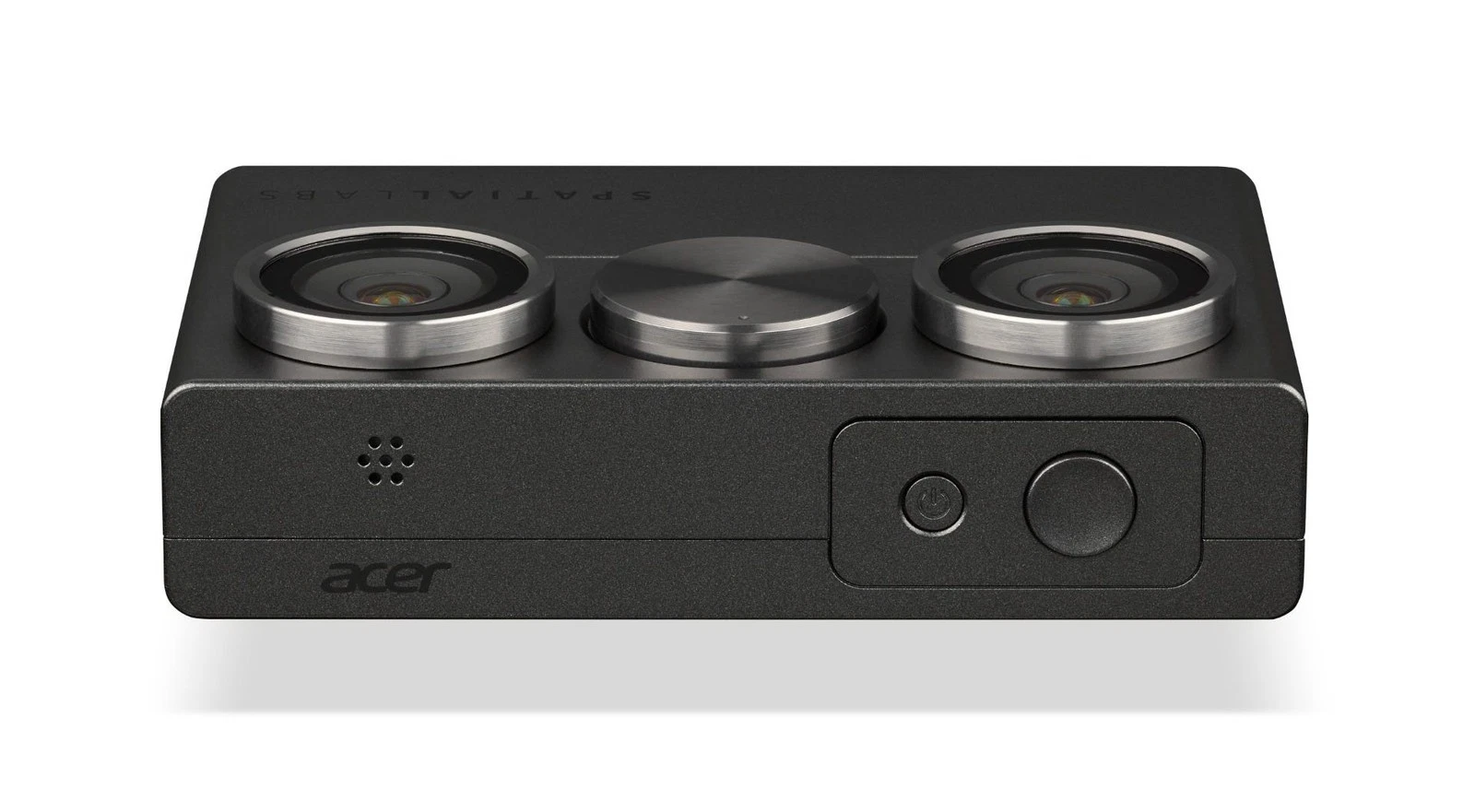
The selfie mirror is a simple feature, but it shows that the design was also conceived with framing shots while the camera is pointed toward the photographer in mind. The claimed weather resistance may, in turn, be relevant when working outdoors. However, the manufacturer does not specify the extent of this resistance in the supplied material, so it should not automatically be equated with full waterproofing or used to attribute unconfirmed protection ratings to the device.
Matching the Two Lenses
One of the most important results of the practical comparison was the assessment of the balance between the camera’s left and right imaging paths. The reviewer found the SpatialLabs Eyes to perform more reliably than the QooCam EGO he used. With the Kandao unit, differences in sharpness or contrast occasionally occurred between images from the two lenses.
Verified fact: in the test described, Acer more often provided consistent results from both lenses, while the QooCam EGO occasionally recorded images that differed in sharpness or contrast.
Interpretation: from the perspective of a stereo camera user, this consistency may be more important than an impressive list of features. A pair of photographs is useful as a whole. If one part of the pair differs noticeably from the other, the fact that the second image was recorded correctly does not solve the problem. This also means that assessing a camera on the basis of a single photograph may not be sufficient—a series of tests in different situations is needed.
However, this does not justify the conclusion that all QooCam EGO units have the same defect. The test describes the reviewer’s experience with his device. It is a valid warning sign and a useful point to check before purchasing, but not a complete diagnosis of the entire product line.
Autofocus: Consistency Does Not Mean Speed
Better balance between the left and right images does not eliminate all of the SpatialLabs Eyes’ limitations. The same comparison highlighted autofocus delays that could last as long as several seconds. This is important information because it demonstrates the difference between correctly focusing both imaging paths and quickly becoming ready to take a picture.
Verified fact: during the test, focusing with the Acer camera could require a wait of several seconds.
Interpretation: such a delay will probably be less troublesome with calm, static shots than when photographing a rapidly changing situation. However, the supplied sources do not contain separate measurements for different scenes, so it is not possible to specify the exact conditions in which the delay occurs or determine its typical duration.
The conclusion is more general: a camera may match both images well while still responding too slowly for a particular workflow. When selecting equipment, it is therefore worth assessing the quality and consistency of the recorded pair separately from the time needed to capture it.
QooCam EGO: Readiness, Battery, and Consistency
For the QooCam EGO, the comparison identified three practical difficulties: slow startup, poor battery life, and occasional inconsistencies in sharpness or contrast between the lenses. All of these observations came from using the unit owned by the reviewer.
Each of these problems concerns a different stage of photography. Slow startup affects the time between taking out the camera and being able to record. Limited battery performance determines the length of a session. Inconsistency between the two images becomes apparent only in the recorded material. Together, they depict a device whose usability depends not only on its ability to take stereo photographs, but also on the predictability of the entire process.
However, we do not have comparable numerical measurements of the startup times or battery life of both cameras. There is therefore no basis for creating a ranking based on seconds or the number of photographs taken. It can only be stated that, in practical testing, the QooCam EGO raised concerns in these areas.
Preview and Display Are Part of a Stereo Camera
With a conventional camera, evaluating a photograph on the screen may focus on framing, exposure, and sharpness. With a stereoscopic device, the relationship between the left and right images and how they are presented together must also be considered. Acer’s stated compatibility with SpatialLabs devices and SpatialLabs Player 3.0 is therefore a significant element of the comparison, rather than merely a software add-on.
Real-time 3D preview may make it easier to review material within the environment intended by the manufacturer. Support for streaming and recording extends this model beyond individual photographs. However, the supplied data do not allow for a comparison of format openness, compatibility with external software, or the convenience of presenting material from the QooCam EGO. Additional verified information would be needed to assess these issues.
The lack of complete data is also important when assessing Kandao. The available sources primarily describe problems observed during use, but do not provide a complete overview of the QooCam EGO’s features. It would therefore be unfair to consider this camera devoid of advantages simply because the available material focuses on its weaknesses.
Do New Compact Cameras Solve Old Problems?
Based on this comparison, the answer is not clear-cut. The SpatialLabs Eyes appears to address the problem of consistency between images from the two lenses more effectively, at least in the reviewer’s experience. It also offers clearly described integration with a 3D preview and presentation ecosystem. However, it does not eliminate operational problems, as the autofocus may respond with a delay of several seconds.
The tested QooCam EGO unit revealed difficulties related to startup, battery performance, and consistency between the two imaging paths. This is not enough to condemn the entire design, but it shows that a compact form and digital recording do not automatically guarantee a reliable session workflow.
The most important conclusion therefore does not concern the number of features alone. A modern stereo camera must be evaluated as a combination of two imaging paths, a focusing mechanism, power supply, a preview interface, and a display environment. A weakness in one component may limit the usefulness of the others.
What to Check Before Choosing a Stereo Camera
The available results suggest a practical set of tests worth carrying out before purchase or immediately after receiving the device:
- take a series of photographs and compare the sharpness and contrast of the left and right images;
- check how long the camera takes to start up and become ready to take pictures;
- assess autofocus delay using scenes representative of the intended application;
- conduct your own battery-life test instead of relying solely on a general impression;
- verify how the material will be viewed and whether actual stereoscopic preview is available;
- for Acer, check the compatibility of the planned setup with SpatialLabs devices and SpatialLabs Player 3.0;
- determine the exact extent of the claimed weather resistance before working in rain or humid conditions.
Such checks do not replace a complete technical test, but they focus on the problems revealed in the practical comparison. They also make it possible to distinguish the assessment of a specific unit from general assumptions about a given model.
Summary
The Acer SpatialLabs Eyes presents a more cohesive concept encompassing capture, preview, and integration with 3D displays. The manufacturer claims 8 MP per eye, a selfie mirror, and a weather-resistant design, while practical testing indicates more reliable balance between the two lenses than in the reviewer’s QooCam EGO unit. The trade-off may be slow autofocus performance.
In this particular comparison, Kandao performs worse in terms of startup, battery life, and occasional consistency between the two images. However, these are observations concerning a single unit, not evidence about every camera. The fairest verdict is therefore that modern compact stereo cameras solve some problems, but still require the entire process to be assessed—from pressing the shutter release to actual stereoscopic preview.