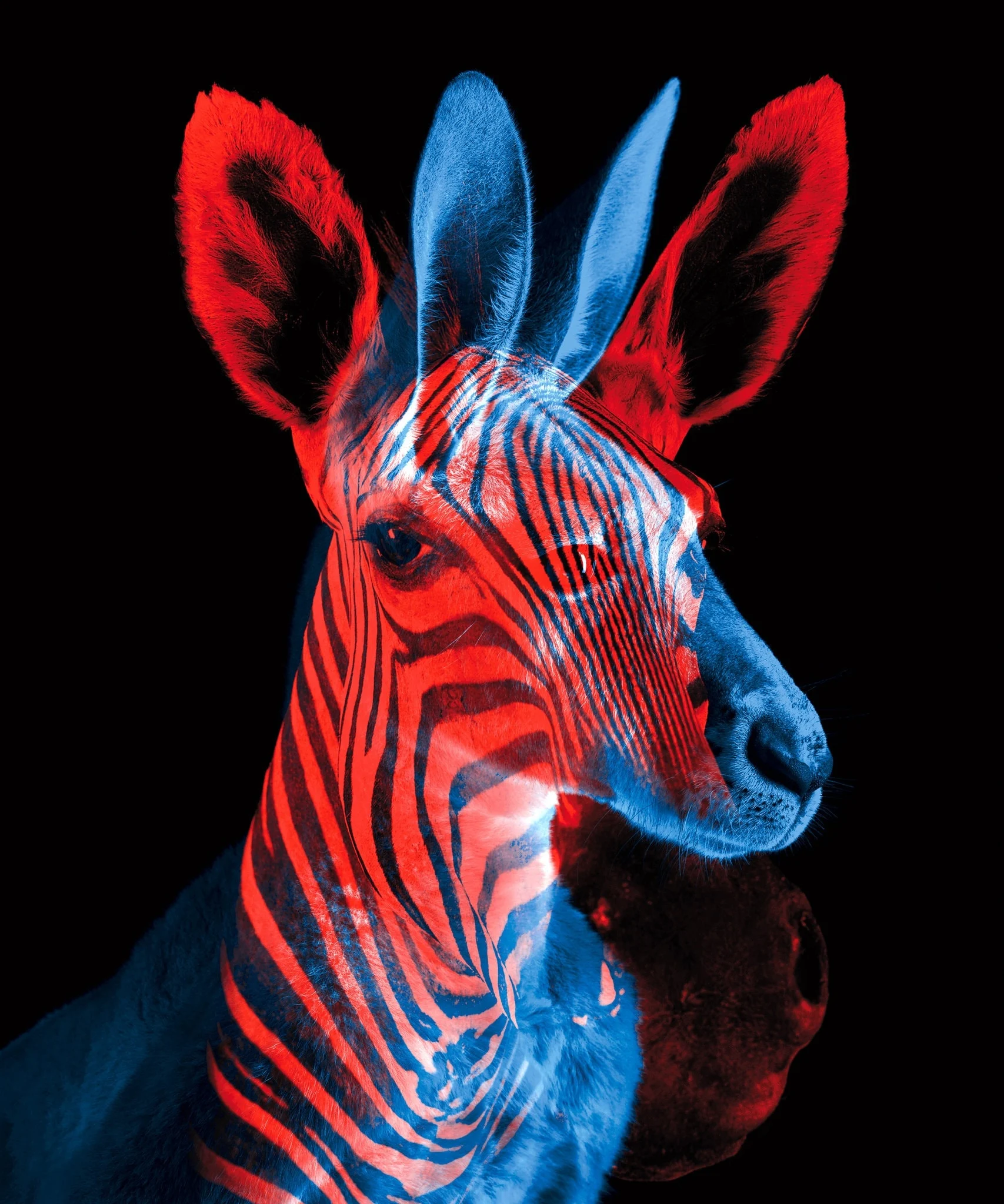
Stereoscopy is usually presented as a technique for producing a convincing impression of depth. Two appropriately prepared images are delivered separately to the left and right eyes, and the brain integrates them into a single spatial percept. Julian Hoeber’s exhibition Binocular Rivalry, however, shifts attention from the illusion of three-dimensionality itself to the process of seeing. Rather than treating the viewer as a passive recipient of a finished effect, it uses the tension between the signals reaching the two eyes as part of its artistic concept.
The exhibition was presented at Jessica Silverman Gallery in San Francisco from June 5 to July 11, 2026. It included new paintings, a wall-mounted sculpture, and a video work presented using 3D glasses. Both the gallery and an independent exhibition guide pointed to the project’s connection with stereoscopic vision and active perception.
Stereoscopic Fusion and Binocular Rivalry
To understand the significance of the exhibition’s title, two concepts must be distinguished: stereoscopic fusion and binocular rivalry. Both concern situations in which the left and right eyes receive non-identical information, but they lead to different perceptual outcomes.
In a typical stereoscopic image, the differences between the views are deliberately controlled. The left and right images show the same scene from slightly different viewpoints. If their geometry remains compatible with the capabilities of human vision, the brain can combine both signals into a coherent whole. The difference in the positions of corresponding elements, known as disparity, becomes a depth cue.
Binocular rivalry describes a different type of relationship. The signals delivered to the two eyes are incompatible enough that they do not form a stable, unified representation. What matters most is not the reconstruction of space, but the tension resulting from the inability to reconcile the two sets of information easily. The title Binocular Rivalry therefore directs attention not only to the objects being viewed, but also to the work performed by the visual system.
This distinction is also important from a technical perspective. The mere presence of two image channels does not guarantee comfortable or unambiguous depth. The result is determined by the relationships between the signals: their compatibility, their relative displacement, and the ability to identify corresponding elements. Stereoscopy can lead to fusion, but it can also reveal the limits of that process.
Vision as a Subject, Not Just a Tool
According to the gallery’s description, Hoeber’s works were inspired by stereoscopic vision and by the way the brain integrates information from each eye. This approach differs from using 3D solely as a presentation effect. The technique becomes a model of how perception works and a means of organizing the relationship between the work and its viewer.
This distinction is significant in art that uses spatial imaging. Stereoscopy can be used to depict a solid form, a scene, or a space. It can also direct attention to the act of looking itself: the need to position oneself in relation to the work, the use of an optical device, the separation of image channels, and the attempt to combine them into a single percept.
In the case of Binocular Rivalry, the latter approach appears particularly important. This is an interpretation based on the title, the gallery’s description, and the combination of different media, rather than a detailed account of all the works. The available materials do not specify the content of the individual paintings or the precise form of the video projection. Nor do they identify the type of 3D glasses used. There are therefore no grounds for attributing a specific image-separation system to the work, such as anaglyph, polarization, or active shutter technology.
Three Media and Three Ways of Engaging Vision
Paintings
The exhibition included new paintings. In the context of its stated interest in stereoscopy, they can be considered part of a broader reflection on the relationship between a flat surface and spatial perception. This does not mean, however, that each of them was a stereoscopic image in the technical sense. The information provided does not confirm this.
Their presence nevertheless broadens the context of the exhibition. It suggests that the issue of binocular vision was not limited to a single device or presentation format. A flat image can participate in a reflection on vision even when it does not deliver a separate view to each eye. It can juxtapose forms, directions, and visual relationships that the viewer must organize independently.
Wall-Mounted Sculpture
The second element was a sculpture designed to be mounted on a wall. It thus introduced a physical object into an exhibition devoted to the mechanisms of vision. A sculpture exists in real space, whereas a stereoscopic image merely produces a spatial percept from separated visual information.
The juxtaposition of these two orders can be interpreted as a question about the difference between material depth and perceived depth. In the first case, spatial relationships belong to the object. In the second, they arise through the process of integrating images. The available description does not establish whether this opposition was presented directly in the sculpture, but its presence allows the viewer to compare different ways of experiencing space.
Video and 3D Glasses
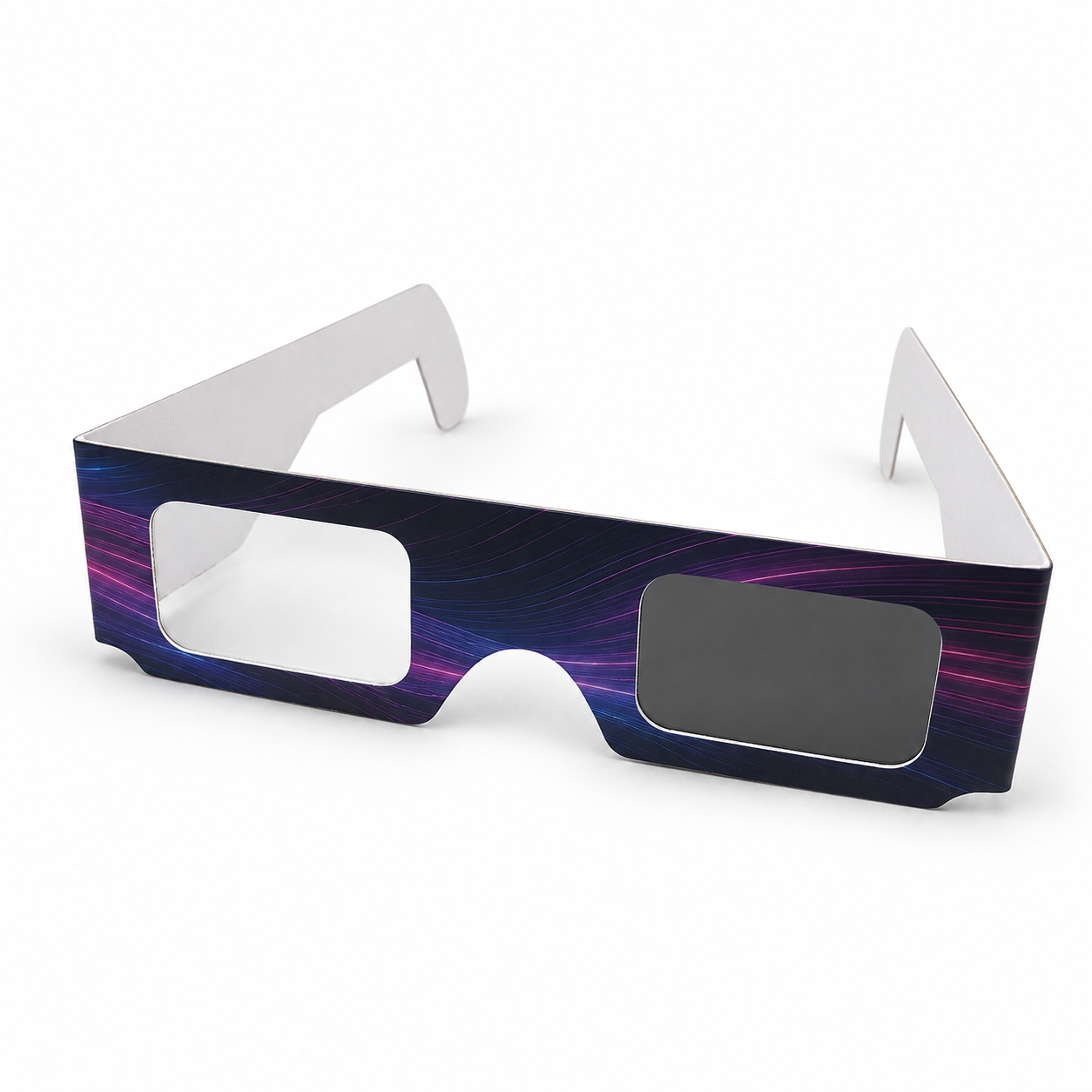
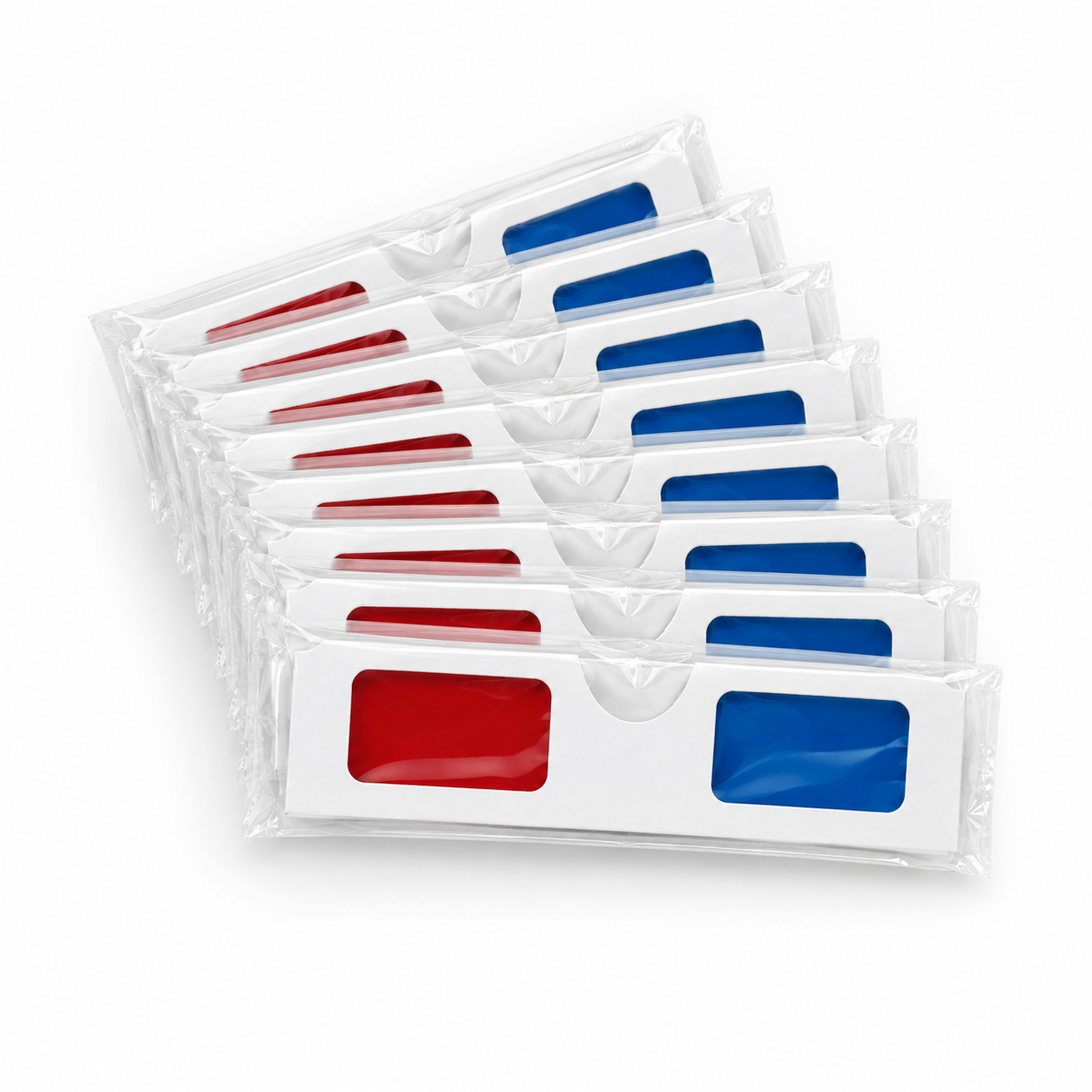
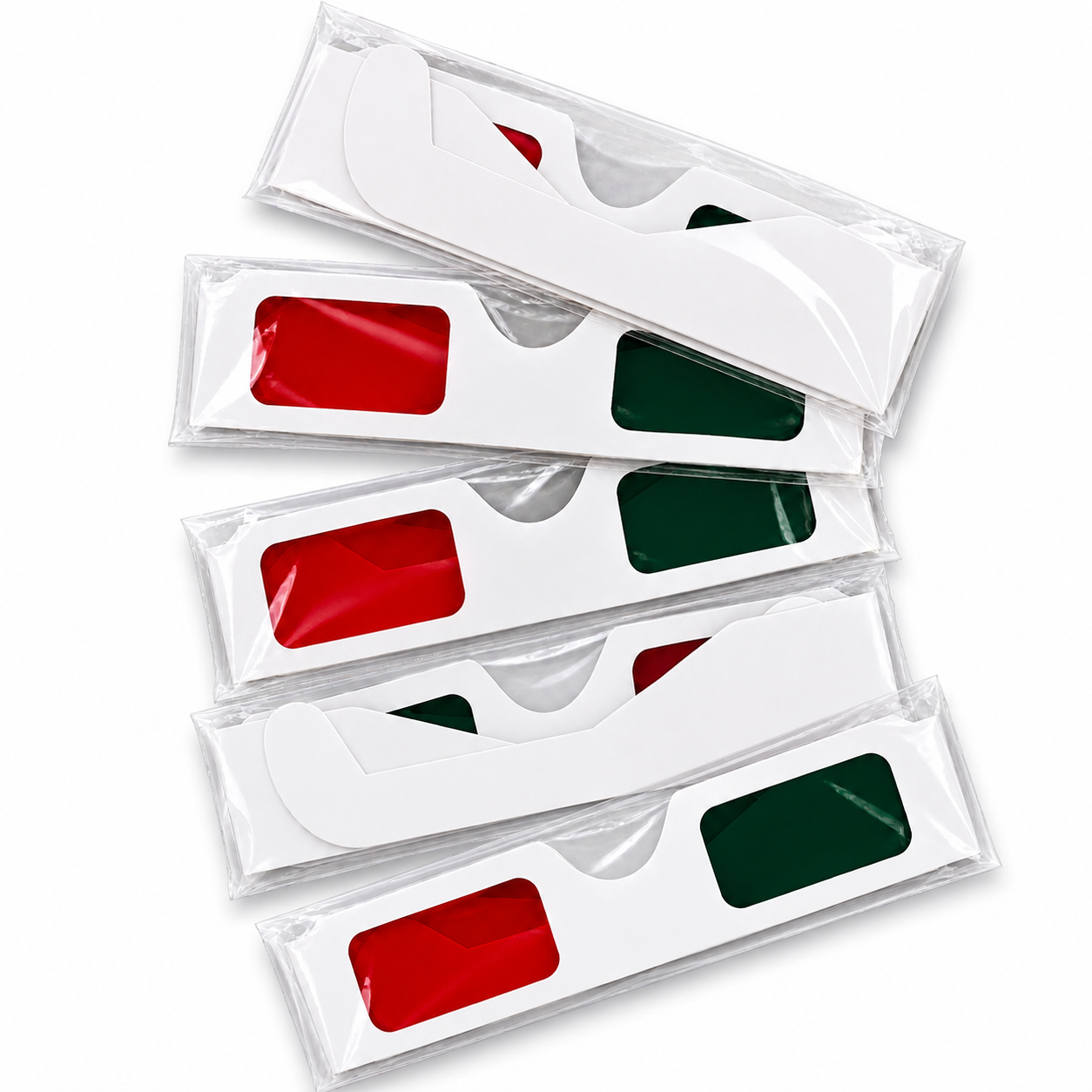
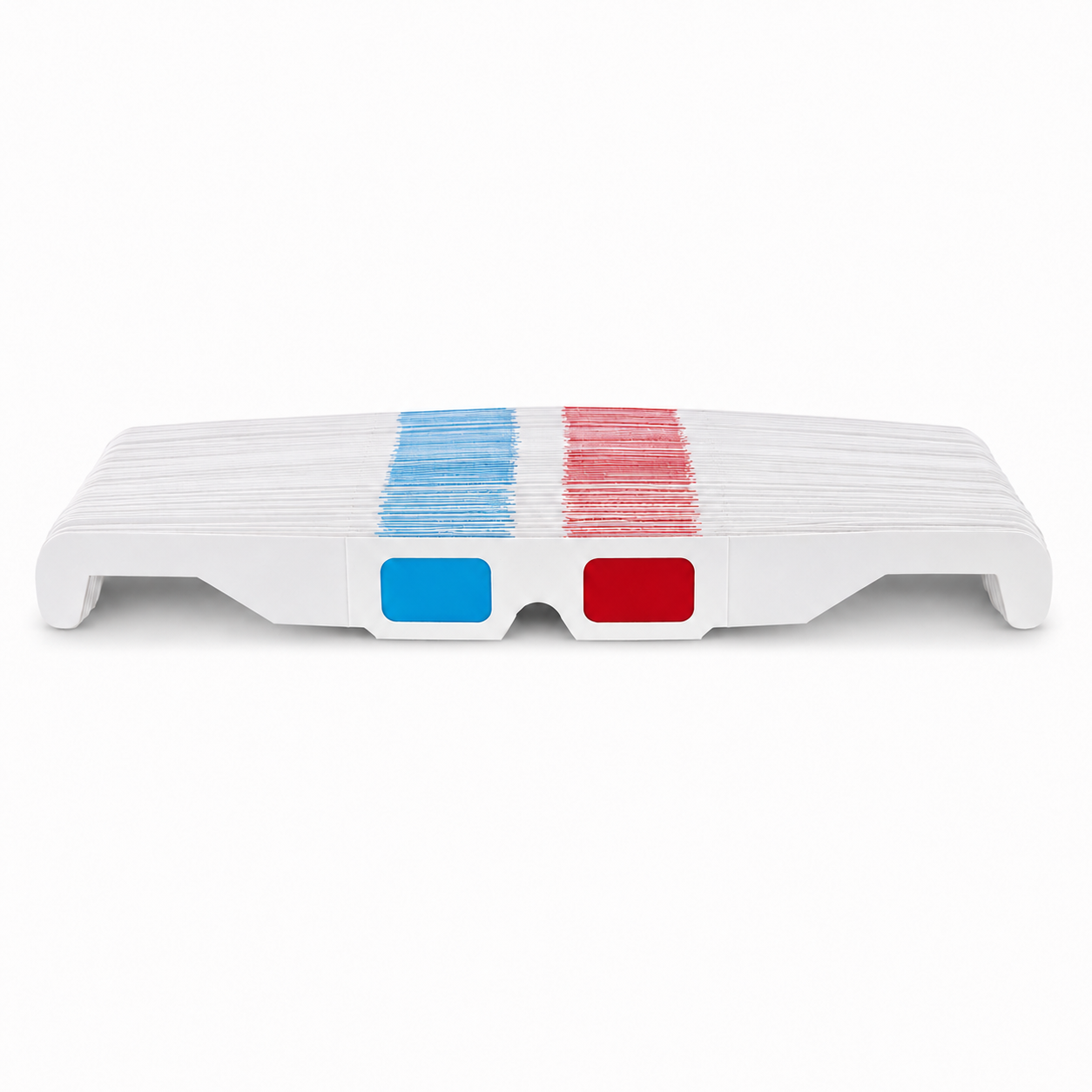
The video work viewed through 3D glasses had the most direct connection with stereoscopic practice. In such a system, the glasses perform a selective function: they help deliver the intended image channel to each eye. Only after this separation can stereoscopic fusion occur or a conflict between the information be revealed.
The inclusion of glasses also changes the viewer’s behavior. Viewing requires a specific action and acceptance of the prescribed means of accessing the work. Without the appropriate separation of channels, the material is not perceived as it was prepared. The optical device ceases to be an invisible intermediary and becomes part of the exhibition setting.
It is not known whether the video consistently constructed harmonious depth, deliberately hindered fusion, or combined both approaches. The technical structure of the material should not be inferred from the title alone. It can be said, however, that the use of 3D glasses gave the idea of binocular vision the form of a practical experience rather than merely a textual declaration.
The Viewer’s Active Perception
An independent description of the exhibition drew attention to the active nature of perception. This is an important interpretive clue. A stereoscopic image is not a finished solid form placed in front of the viewer. It is a system of two signals that must be separated, received, and integrated. The final impression of space therefore depends on the interaction between the image, the presentation device, and the visual system.
In a gallery, this process can be treated as part of the work. The viewer puts on the glasses, compares the experience of the projection with viewing the paintings and sculpture, and at the same time becomes aware that the seemingly unified image of the world is the result of data integration. Binocular rivalry complicates this intuition: it shows that integration does not always have to result in a single stable solution.
This perspective makes it possible to view stereoscopy more broadly than solely through the lens of a depth effect. The technique can be used to examine attention, signal compatibility, and the viewer’s role in constructing the image. In this sense, 3D glasses are not merely a projection accessory. They define two parallel channels of visual communication and reveal that the “single” image being viewed may have a dual structure.
The Exhibition’s Significance for Stereoscopic Culture
Binocular Rivalry is an example of bringing concepts associated with stereoscopic vision into contemporary gallery practice. The project was not limited to screen-based work: it juxtaposed 3D video with painting and sculpture. This allowed the issue of perception to be considered in relation to a flat image, a physical object, and a technologically mediated impression of space.
For those involved in stereoscopy, the most interesting aspect is the shift in emphasis from the question “how can depth be achieved?” to “what happens when the two eyes receive different information?” The first leads mainly to issues of geometry, stereo capture, and presentation. The second opens a field for reflection on the conditions of fusion, visual conflict, and the active role of the brain.
At the same time, technical solutions not described in the available materials should not be attributed to the exhibition. Its dates, location, range of media, the presence of video viewed through 3D glasses, and its stated interest in stereoscopic vision are confirmed. Details of the image construction, the type of glasses, and the course of the video work itself remain beyond the scope of the information provided.
Summary
Julian Hoeber’s exhibition used stereoscopy not only as a means of representing space, but also as a starting point for reflection on vision itself. Its title emphasizes the difference between the harmonious fusion of two views and a conflict in which information intended for the left and right eyes does not easily form a unified percept.
The combination of paintings, a wall-mounted sculpture, and video viewed through 3D glasses situated this issue at the intersection of the material object, flat representation, and technologically produced depth. The central subject was therefore not solely the three-dimensional effect, but the active work of perception—the process through which two signals can become one image or remain in unresolved tension.