
| Person | Field | Most important contribution |
|---|---|---|
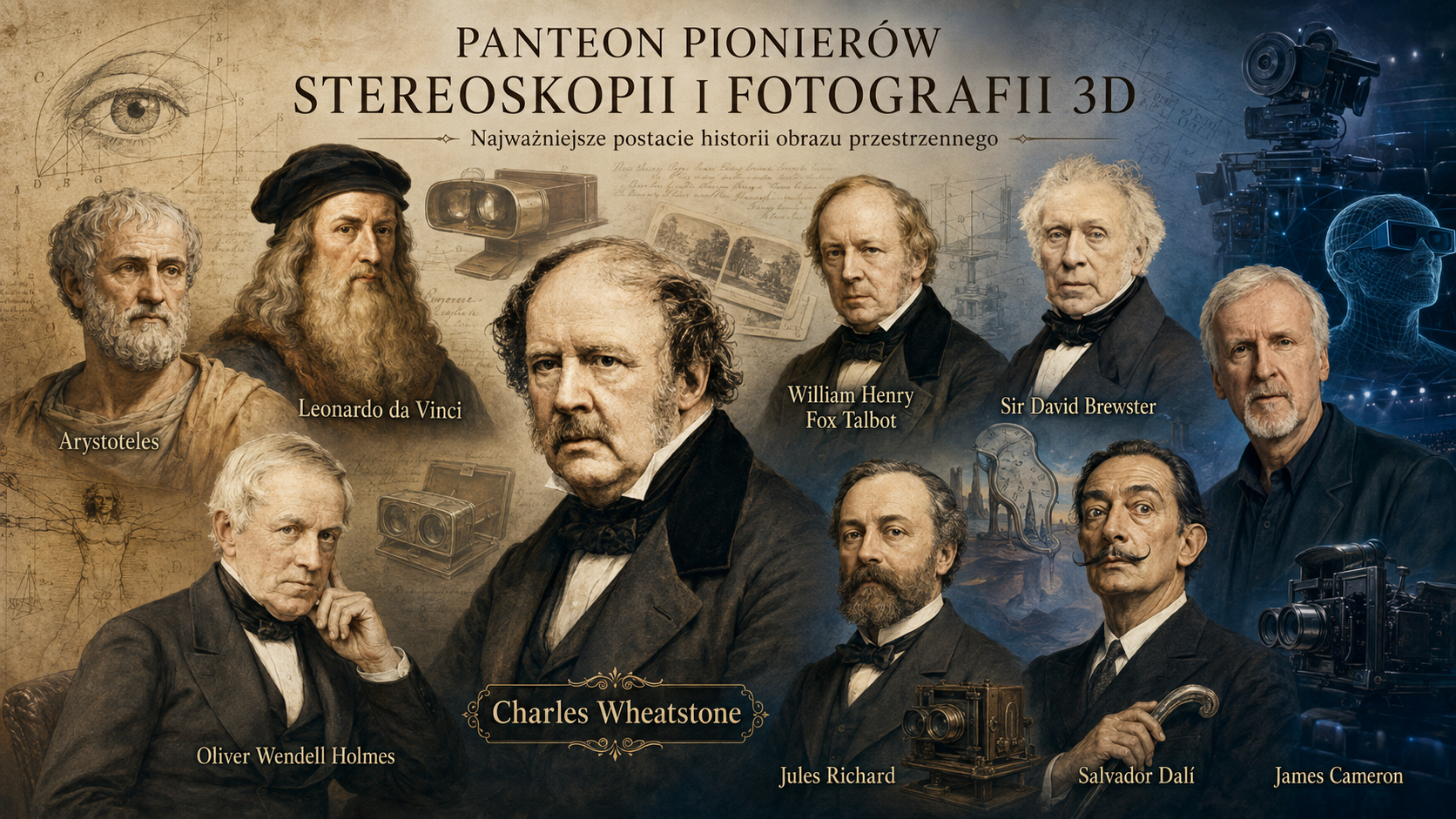
| Aristotle | philosophy / perception | Some of the earliest descriptions of issues related to binocular vision. |
| Claudius Ptolemy | optics | Early experimental studies of retinal correspondence between the two eyes. |
| Leonardo da Vinci | art / anatomy / optics | He observed that each eye views the world from a different position and can see elements invisible to the other. |
| Charles Wheatstone | physics / invention | Creator of the first undisputed stereoscope and the scientific theory of stereoscopic depth perception. |
| William Henry Fox Talbot | photography | He helped combine the newly invented medium of photography with the stereoscope; he produced early photographic pairs for Wheatstone. |
| David Brewster | optics | He created a compact lenticular stereoscope that enabled 3D to enter widespread use. |
| Jules Duboscq | optics / industry | He began manufacturing Brewster's devices and helped commercialize the stereoscope. |
| Thomas Richard Williams | art photography | One of the most outstanding stereographers of the 1850s; portraiture, still life, genre scenes, Scenes in Our Village. |
| Lady Mary Rosse | photography / science | A pioneer of stereoscopic photography; she documented, among other things, the giant telescope at Birr Castle. |
| Francis Frith | travel photography | He created extensive series of stereographs of Egypt and the Middle East. |
| William England | travel photography | One of the LSC's leading photographers, creator of widely distributed views of Europe and North America. |
| Oliver Wendell Holmes | invention / popularization | Creator of an exceptionally simple handheld stereoscope that became the standard of its era. |
| Carleton Watkins | landscape photography | Creator of approximately one hundred early stereographs of Yosemite. |
| Eadweard Muybridge | photography | Before becoming famous for his analysis of motion, he created acclaimed stereoscopic landscapes of the American West. |
| Timothy H. O'Sullivan | documentary photography | Stereoscopy as a tool for documenting scientific expeditions and the landscape of the American West. |
| Louis Ducos du Hauron | photography / optics | One of the fathers of the practical anaglyph. |
| Elmer and Bert Underwood | photography / publishing | They transformed stereoscopic photography into a powerful international educational and information industry. |
| Benneville Lloyd Singley | photography / publishing | Founder of the Keystone View Company—one of the largest archives and producers of stereographs. |
| Jules Richard | camera design | Vérascope and Taxiphote; an enormous influence on European stereoscopic photography at the turn of the 20th century. |
| William Gruber | photography / invention | Creator of the View-Master concept; together with Harold Graves, he brought it to market. |
| Seton Rochwite | photography / camera design | The Stereo Realist and the boom in amateur stereoscopic photography in the 1950s. |
| Norman McLaren | film / experimental art | One of the pioneers of artistic stereoscopic cinema in the mid-20th century. |
| Salvador Dalí | painting | He created actual pairs of stereoscopic paintings as well as anaglyph works; he was one of the few major painters to consistently explore stereopsis. |
| Colin Low, Tony Ianzelo, Ernest McNabb | film | The team behind the groundbreaking Transitions—the first IMAX 3D film. |
| James Cameron and Vince Pace | cinema / film technology | Development of the Fusion system and highly deliberate use of stereoscopic geometry in Avatar. |
| Brian May | photography / collecting / popularization | One of today's most important advocates of stereoscopy: he revived the London Stereoscopic Company, contributes to research on T.R. Williams, and designed the modern OWL stereoscope. |
People Without Whom the History of Stereoscopy Would Have Been Different
Figures who contributed to the development of methods for capturing and presenting images using various three-dimensional techniques
From article to practice
Try this topic in practice
Open the relevant 3D LAB tool or explore products related to the technique discussed in this article.
3D LAB
Related tools
3D Shop
Related products
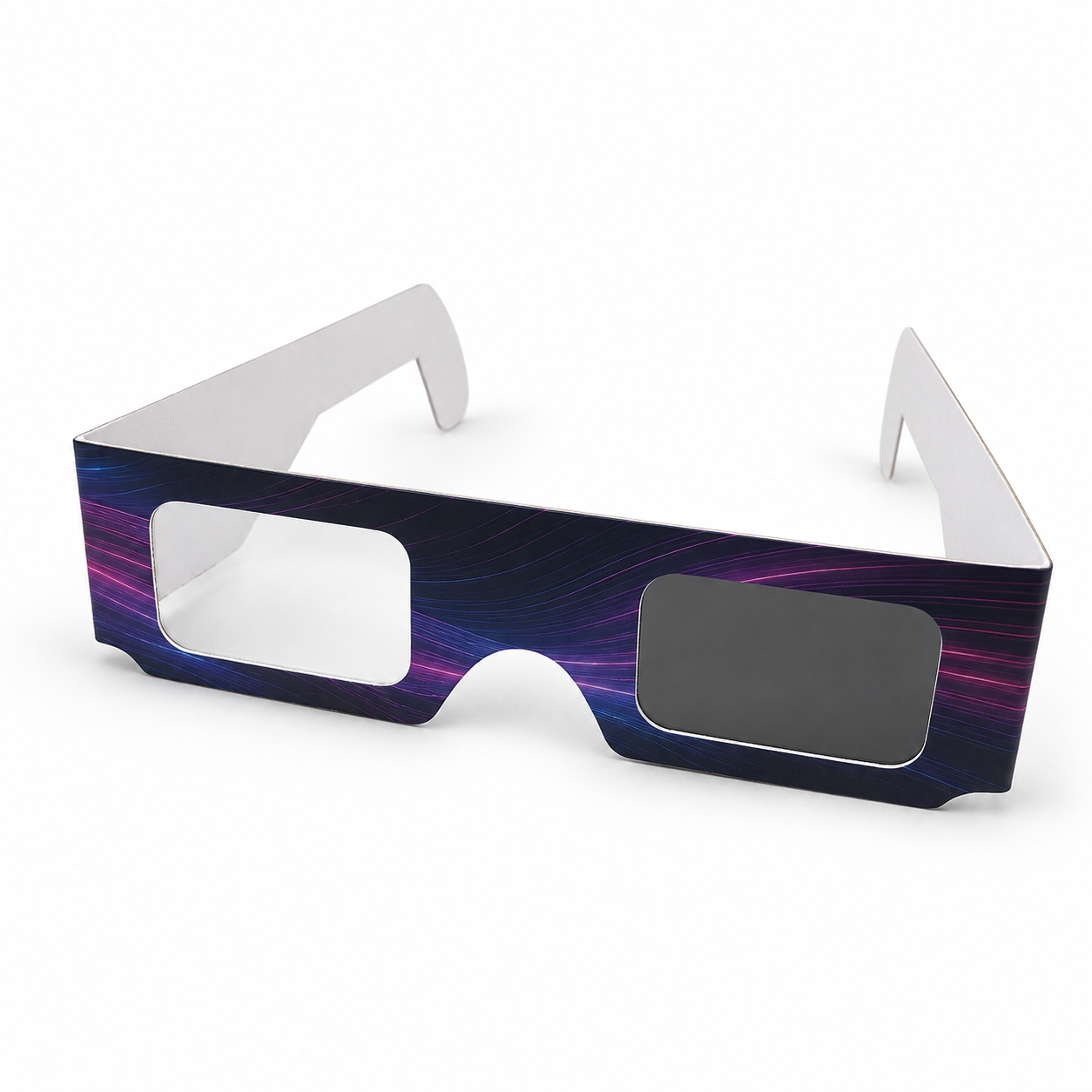
Cardboard 3D Glasses with the Pulfrich Effect
Cardboard glasses in various color versions: plain white or with custom printing. Pulfrich glasses...
from
30,00
PLN
View product →

Self-adhesive A4 vertical 60 LPI lenticular sheet
Self-adhesive A4 vertical 60 LPI 3D sheet
from
28,00
PLN
View product →
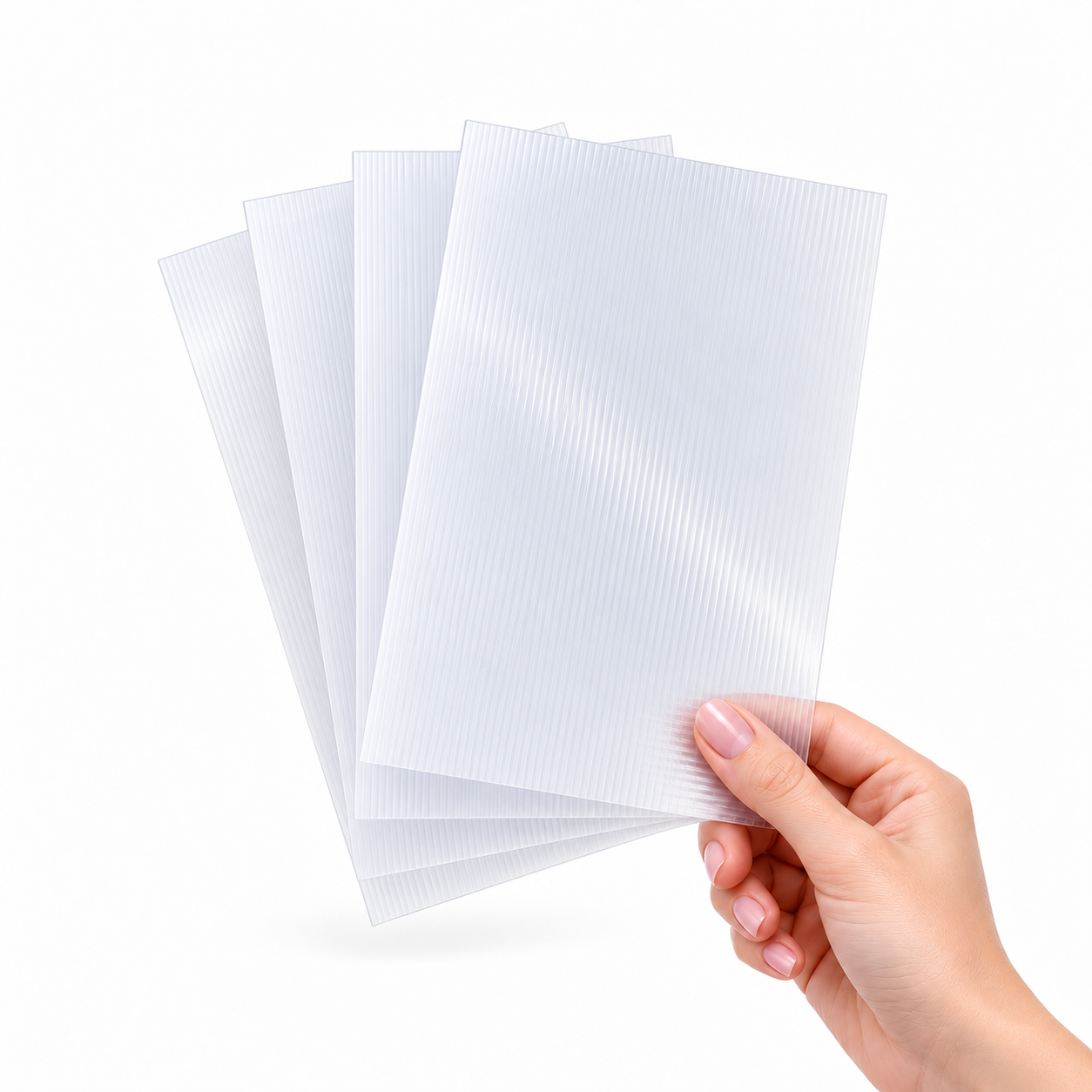
A5 vertical 60 LPI self-adhesive lenticular sheet
A5 vertical 60 LPI self-adhesive 3D lenticular sheet
from
14,00
PLN
View product →
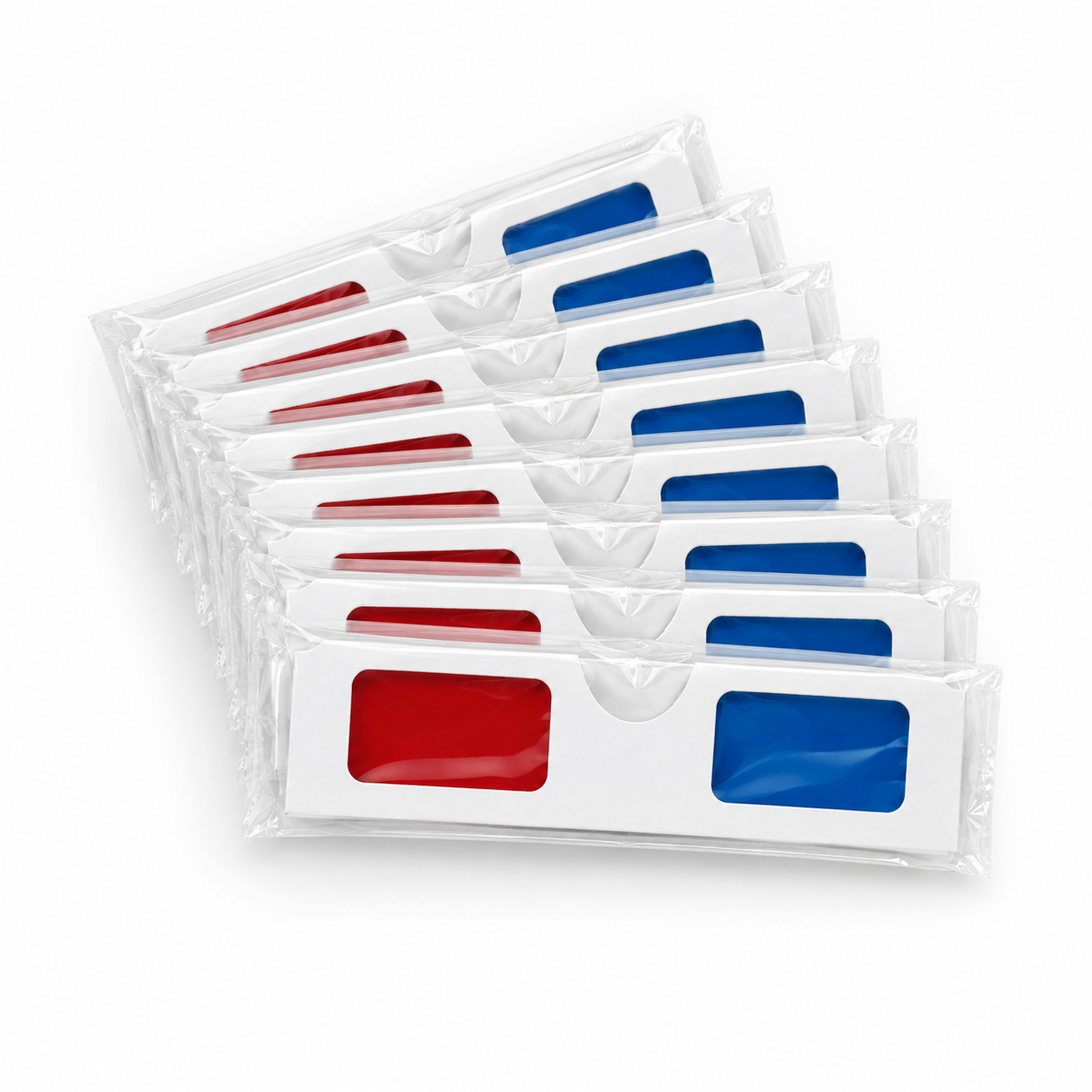
Cardboard anaglyph glasses in cellophane
Cardboard anaglyph glasses (red-blue). Left eye: red; right eye: blue
from
20,00
PLN
View product →